How Long Does It Take to Build a House in Nigeria? Real Timelines by Stage
VETONGROUP Editorial Team7 min read

“Six months to finish,” the contractor says. Eighteen months later, the roof is on and the walls are still bare. The gap between promised timelines and real ones in Nigeria is not dishonesty. It is a misunderstanding of how building actually happens.
Here are realistic timelines, stage by stage, and the five reasons projects run late.
Realistic Totals
| House type | Realistic duration | With money on schedule |
|---|---|---|
| 2-bedroom bungalow | 7 to 12 months | Yes, if payments arrive on time |
| 3-bedroom bungalow | 8 to 14 months | Yes, with a clear payment schedule |
| Duplex | 12 to 20 months | Yes, expect 10 to 18 months |
| Commercial building | 14 to 30 months | Depends on approvals and design |
These assume the design, approval and funding are ready before work starts. Add 2 to 4 months if you are still designing when the foundation is being dug.
The Stage-by-Stage Breakdown
- Site clearing and setting out: 1 to 3 weeks. Slower on bushy or filled sites.
- Foundation: 4 to 8 weeks. Excavation, blinding, reinforcement, formwork, concrete, curing. Curing alone takes weeks and cannot be rushed.
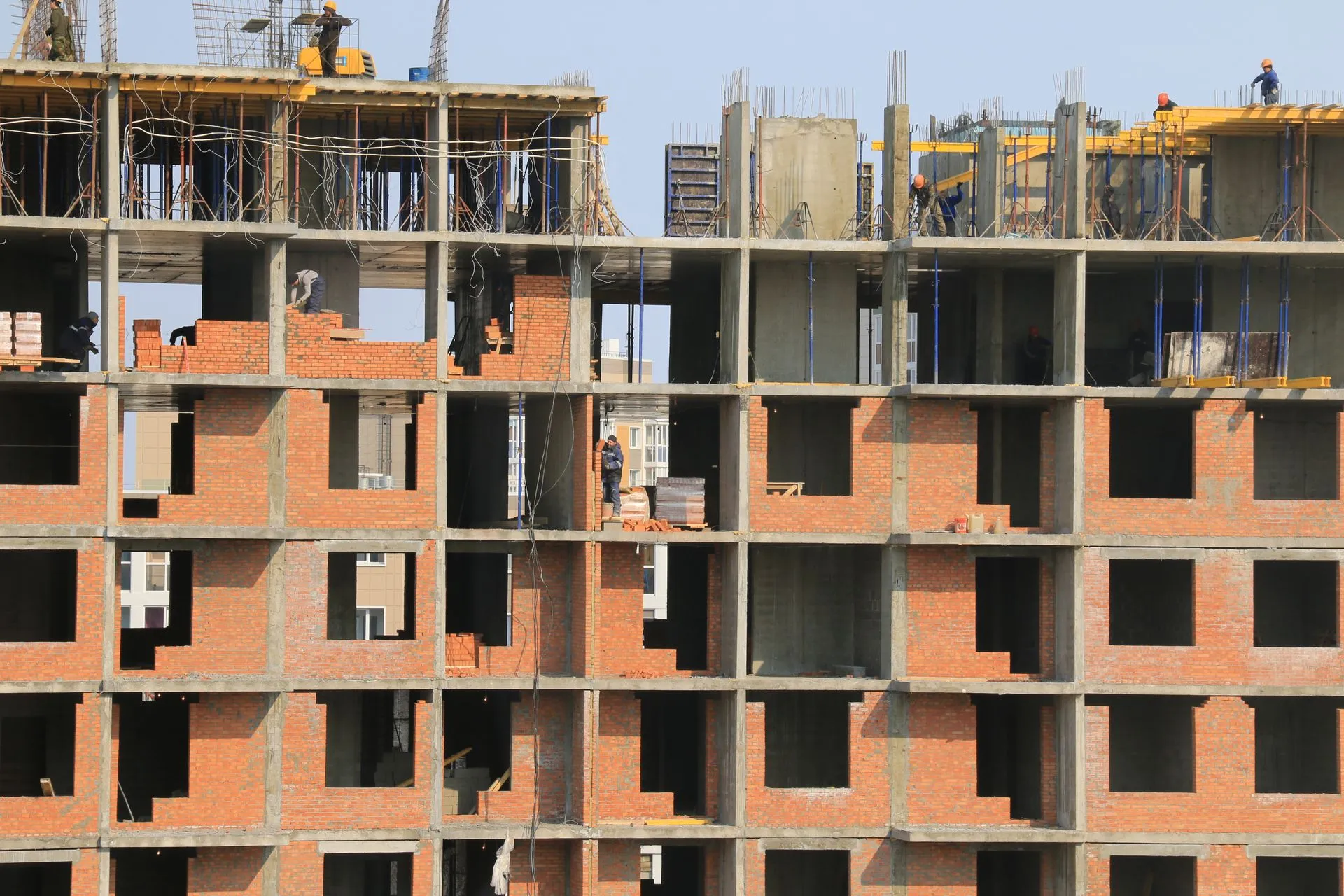
- Blockwork and lintels: 6 to 12 weeks. The walls go up fast; the lintel and slab cycles set the pace.
- Roofing: 4 to 8 weeks. Structure, covering, ceiling, then the building is weather-tight.
- Electrical and plumbing first fix: 3 to 6 weeks. Conduits and pipes before plaster.
- Plastering and tiling: 8 to 16 weeks. The longest finishing stage.
- Second fix: 4 to 8 weeks. Doors, windows, fittings, sanitary ware.
- Fencing, borehole and compound: 4 to 10 weeks. Often forgotten in the original schedule, almost always in the budget.
The Five Real Reasons Projects Run Late
- Money arrives late. The most common cause by far. Stage payments that slip by weeks add months to a project, because contractors fund one stage from the previous payment.
- Design changes mid-build. Every change stops work while new drawings are made. Freeze the design before ground breaks.
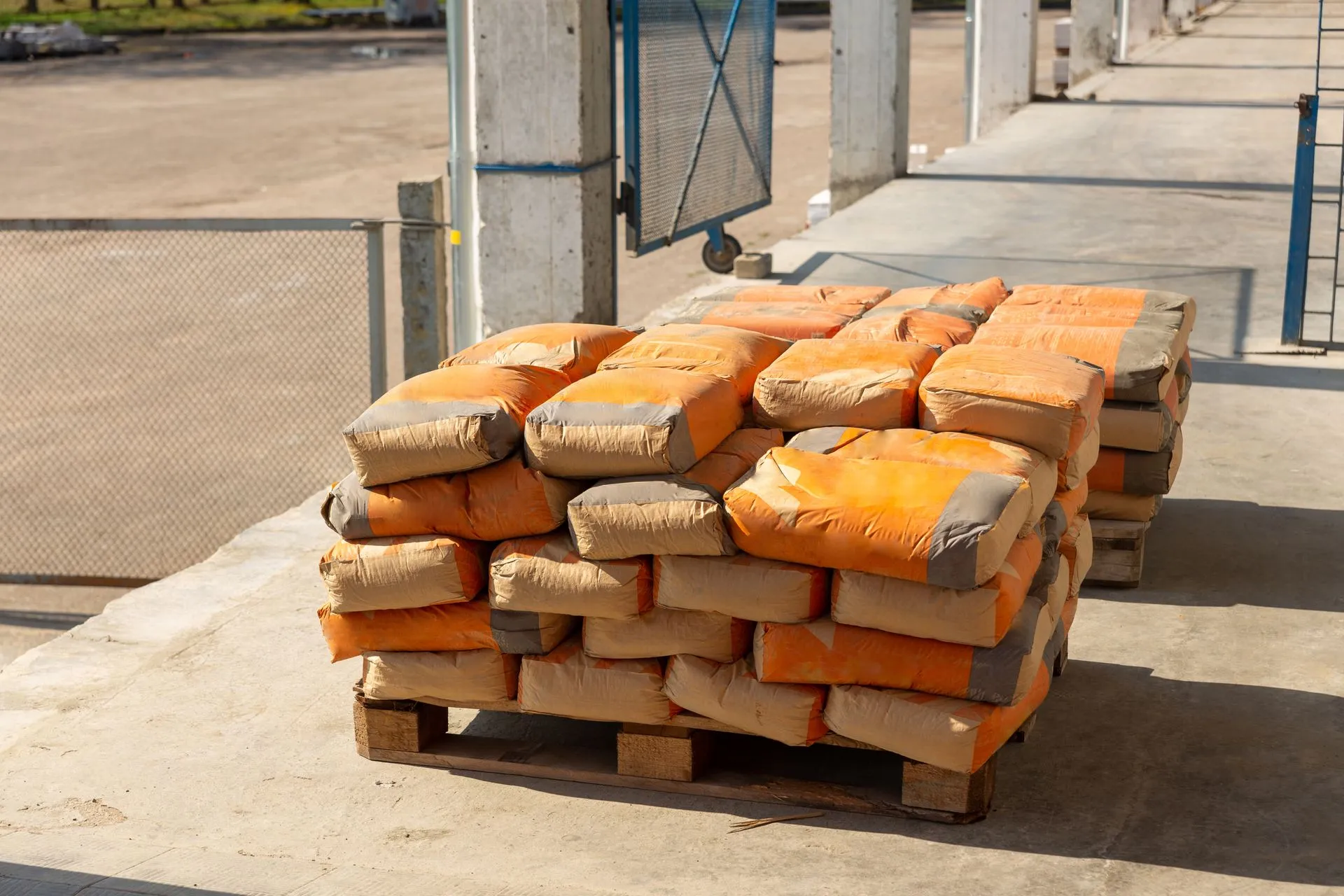
- Material price movement. When cement jumps 20%, contractors wait, renegotiate, or buy less. A price-adjustment clause keeps work moving.
- Rainy season. Realistic schedules build in the rains. Unrealistic ones pretend they do not exist.
- Approval delays. Work that starts before approval stops at the first enforcement visit, permanently.
How to Finish on Time
- Complete design, approval and BoQ before you break ground
- Sign a contract with milestones and a timeline, with consequences for delay
- Pay on schedule. This single habit has more effect on duration than any other
- Keep one supervisor accountable for the schedule, not the contractor’s brother
Plan With Real Numbers
VETONGROUP prepares project schedules, Bills of Quantities and milestone payment plans that turn “six months” into a working calendar. For clients who cannot be on site, our project management team runs the schedule and reports progress weekly.
Book a free consultation. Response within 24 business hours.
Services that solve this
Fixed quotes, registered professionals, and a client portal so you can track it from anywhere.
Need help with this? Book a free consultation with VETONGROUP.
Book Free Consultation